Source Pine Cone Cocktail Glass for Bars, Weddings, and Events
Compare 30 pine cone cocktail glass options from verified Chinese manufacturers. Buyers can evaluate frosted and clear designs, varying capacities, and custom logo capabilities for home, restaurant, and hotel use; compare the available evidence and request quotations based on your requirements.
Key considerations
Products List







Comprehensive Sourcing Guide
Pine Cone Cocktail Glass Sourcing Guide
Sourcing unique glassware requires balancing aesthetic appeal with functional durability, particularly when selecting items like the pine cone cocktail glass. Buyers must evaluate how the distinctive shape influences both the visual presentation of beverages and the practical handling during service. The textured or sculpted exterior often serves as a conversation starter, making it ideal for high-end hospitality venues, themed parties, and premium gift sets. However, the complexity of the design can impact manufacturing consistency, requiring careful scrutiny of sample quality before committing to bulk orders.
Procurement teams should also consider the versatility of these glasses across different service environments. While often marketed for cocktails, the observed product data indicates suitability for wine, juice, water, and even coffee or soda applications. This multi-functional use case expands the potential market for resale, allowing retailers to position the item as a versatile home or bar accessory. Understanding the specific capacity and weight distribution is crucial, as the unique form factor may affect stacking efficiency and storage requirements in both retail and hospitality settings.
Product Scope and Observed Listing Signals
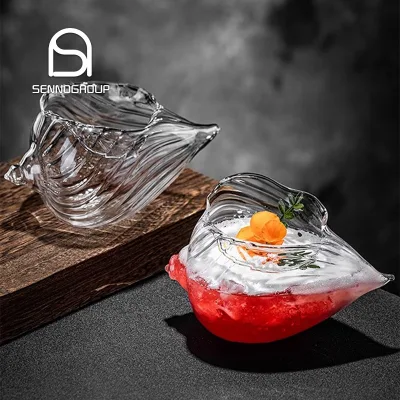
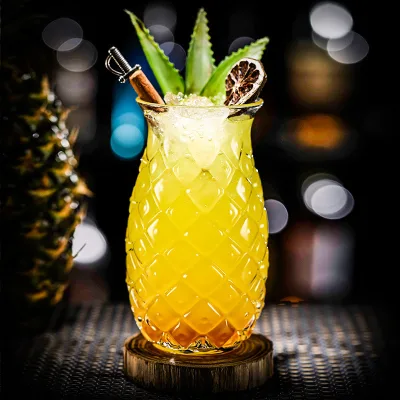
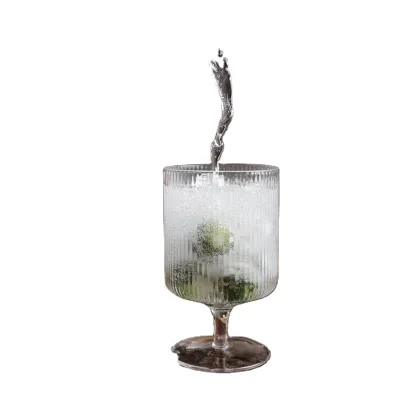
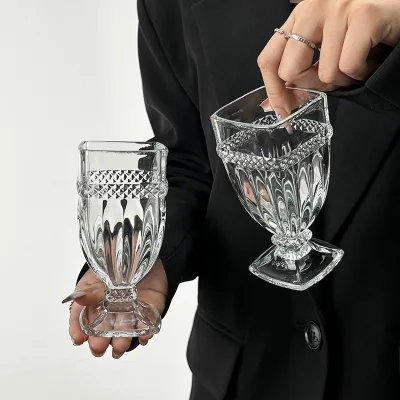
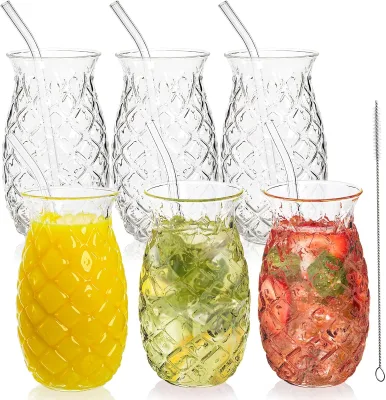
The current market landscape for these items reveals a diverse range of styles, from contemporary frosted finishes to modern art designs. Listings indicate capacities typically ranging from 195ml to 400ml, catering to both shot-sized servings and standard cocktail portions. The material is predominantly glass, with some variations specifying crystal glass for enhanced clarity and refractive properties. Buyers will encounter options featuring custom logos, multi-color gradients, and specific themes such as conch or pineapple shapes, which suggests a broad customization capability among suppliers.
Observed minimum order quantities (MOQs) vary significantly, starting as low as 48 pieces and extending up to 10,000 units. This wide range accommodates both small boutique retailers and large-scale distributors. Pricing signals suggest a competitive market, with unit costs observed between $0.04 and $4.50, heavily influenced by material quality, customization depth, and order volume. The presence of brands like Senno and Inncrystal indicates that established manufacturers are active in this niche, offering both private label opportunities and branded inventory for buyers seeking recognized quality markers.
Technical Specifications to Verify
When evaluating technical specifications, the single package dimensions and gross weight are critical for logistics planning. Observed data shows single package sizes around 20x20x30 cm or 25x20x20 cm, with gross weights ranging from 0.8 kg to 1.5 kg per unit. These figures directly impact shipping costs and warehouse space utilization. Buyers must verify whether the packaging is designed for individual protection or bulk carton packing, as improper packaging can lead to high breakage rates during transit. The distinction between net and gross weight is also essential for accurate freight calculation and customs documentation.
Material composition and manufacturing craft are equally important technical factors. While most items are described as glass or crystal, the distinction between machine-made and handmade production affects both price and consistency. Handmade items may offer unique character but can suffer from slight variations in shape or thickness. Buyers should request detailed specifications regarding wall thickness and base stability, especially for stemless or uniquely shaped designs. Verifying the exact glass type ensures that the product meets the expected durability and thermal shock resistance standards for its intended use.
Compliance and Safety Documentation
Food safety compliance is non-negotiable for any glassware intended for beverage service. Buyers must ensure that suppliers provide documentation confirming the glass is lead-free and cadmium-free, meeting international food contact standards. While specific certification names are not listed in the observed data, reputable manufacturers should be able to produce test reports from accredited laboratories verifying the absence of harmful heavy metals. This documentation is particularly important for markets with strict regulatory environments, such as the European Union and North America, where non-compliance can result in product recalls and legal liabilities.
Additionally, buyers should verify the sustainability claims associated with the product. Some listings highlight features such as being sustainable or eco-friendly, which may refer to recyclable materials or energy-efficient production processes. However, these claims require substantiation through recognized environmental certifications or transparent supply chain disclosures. Procurement teams should ask for specific evidence supporting these assertions, such as recycled content percentages or carbon footprint assessments, to avoid greenwashing and ensure alignment with corporate social responsibility goals.
Cost Drivers and Commercial Terms
Several factors influence the final cost of pine cone cocktail glasses, with customization being a primary driver. Options such as customized logos, unique designs, and specific color gradients often incur additional setup fees and higher per-unit costs. The choice between standard clear glass and frosted or gradient finishes also impacts pricing, as specialized treatments require additional processing steps. Buyers should request a detailed cost breakdown to understand how each customization option affects the total price, allowing for better budget management and margin planning.
Commercial terms, including delivery times and payment conditions, vary among suppliers. Observed delivery times range from 15 to 25 days, which is typical for customized glassware production. Buyers must account for this lead time in their inventory planning to avoid stockouts. Payment terms are often negotiated based on order volume and supplier relationship, with common structures including deposits and balance payments before shipment. Understanding these terms helps in cash flow management and risk mitigation, ensuring that both parties have clear expectations regarding the transaction timeline and financial obligations.
Supplier Qualification and Quality Control
Supplier qualification begins with verifying the manufacturer’s location and production capabilities. Observed data indicates origins in Guangdong and Hunan, China, regions known for glass manufacturing expertise. Buyers should assess the supplier’s factory size, equipment, and quality control processes to ensure consistent output. Requesting references from existing clients and reviewing their feedback can provide insights into the supplier’s reliability and responsiveness. Additionally, verifying the supplier’s ability to handle custom orders and their track record with similar products is essential for ensuring a smooth procurement process.
Quality control measures should be established before production begins. This includes defining clear acceptance criteria for defects, such as cracks, bubbles, or uneven finishes. Buyers may consider hiring third-party inspection services to conduct pre-shipment inspections, ensuring that the delivered goods meet the agreed-upon standards. Implementing a robust quality control plan helps minimize the risk of receiving substandard products, protecting the buyer’s brand reputation and customer satisfaction. Regular communication with the supplier during the production phase can also help identify and address potential issues early.
Long-Term Procurement Checks
Long-term procurement success depends on building a sustainable relationship with suppliers. Buyers should regularly review supplier performance metrics, including on-time delivery rates, product quality consistency, and responsiveness to issues. Establishing a framework for continuous improvement allows both parties to adapt to changing market demands and operational challenges. Regular feedback sessions can help identify areas for enhancement, fostering a collaborative environment that benefits both the buyer and the supplier. This approach helps in maintaining a stable supply chain and reducing the risks associated with supplier turnover.
Market trend analysis is also crucial for long-term planning. Buyers should stay informed about emerging design trends, material innovations, and consumer preferences in the glassware sector. This knowledge enables proactive sourcing decisions, allowing buyers to offer relevant and appealing products to their customers. Additionally, monitoring regulatory changes and sustainability standards ensures that the procurement strategy remains compliant and aligned with global best practices. By integrating these checks into the procurement process, buyers can maintain a competitive edge and drive long-term business growth.
FAQs
What is the capacity of the frosted cocktail glass?
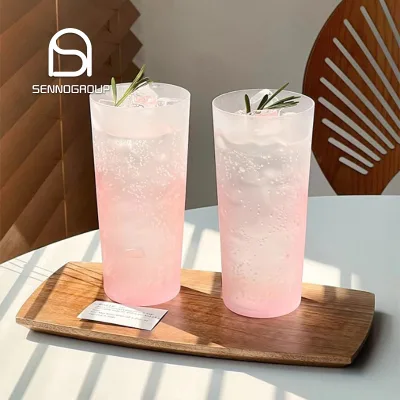
The frosted cocktail glass has a capacity ranging from 340 to 400 milliliters. Some specific models listed offer a capacity of 350 milliliters or 195 milliliters. This variation allows buyers to select the exact volume needed for different beverage types like wine, juice, or cocktails.
Can I customize the logo on these glass cups?
Yes, customized logos are acceptable for these products. Buyers can request specific branding designs to be applied to the glass surface. This customization option is available for orders meeting the minimum quantity requirements set by the suppliers in Guangdong or Hunan.
Which materials are used to make these cocktail glasses?
These glasses are primarily made from glass, with some specific items described as crystal glass cups. The material ensures durability and clarity while supporting features like conch shapes or pineapple designs. The frosted finish adds a unique aesthetic to the standard glass construction.
How long is the delivery time for these orders?
The standard delivery time for these products is between 15 and 25 days. This lead time applies to the manufacturing and shipping process from the origin locations in China. Buyers should plan their inventory accordingly to ensure timely arrival for events or retail stocking.
What is the minimum order quantity for these glasses?
The minimum order quantity varies by supplier, with observed values starting at 48 pieces and going up to 50 or 10,000 pieces. Specific listings indicate an MOQ of 48 pieces or 50 pieces. Buyers must check individual supplier terms to confirm the exact threshold for their purchase.
Where are these cocktail glasses manufactured?
These glasses are manufactured in China, specifically in the provinces of Guangdong and Hunan. The production facilities in these regions handle the crafting of both contemporary and modern art styles. Buyers can expect the origin to be clearly stated as one of these two Chinese locations.
Are these glasses suitable for wedding parties and hotels?
Yes, these glasses are designed for use in homes, restaurants, bars, hotels, and wedding parties. Their versatile application makes them ideal for various occasions including presents and giveaways. The durable glass construction supports frequent use in commercial and private hospitality settings.